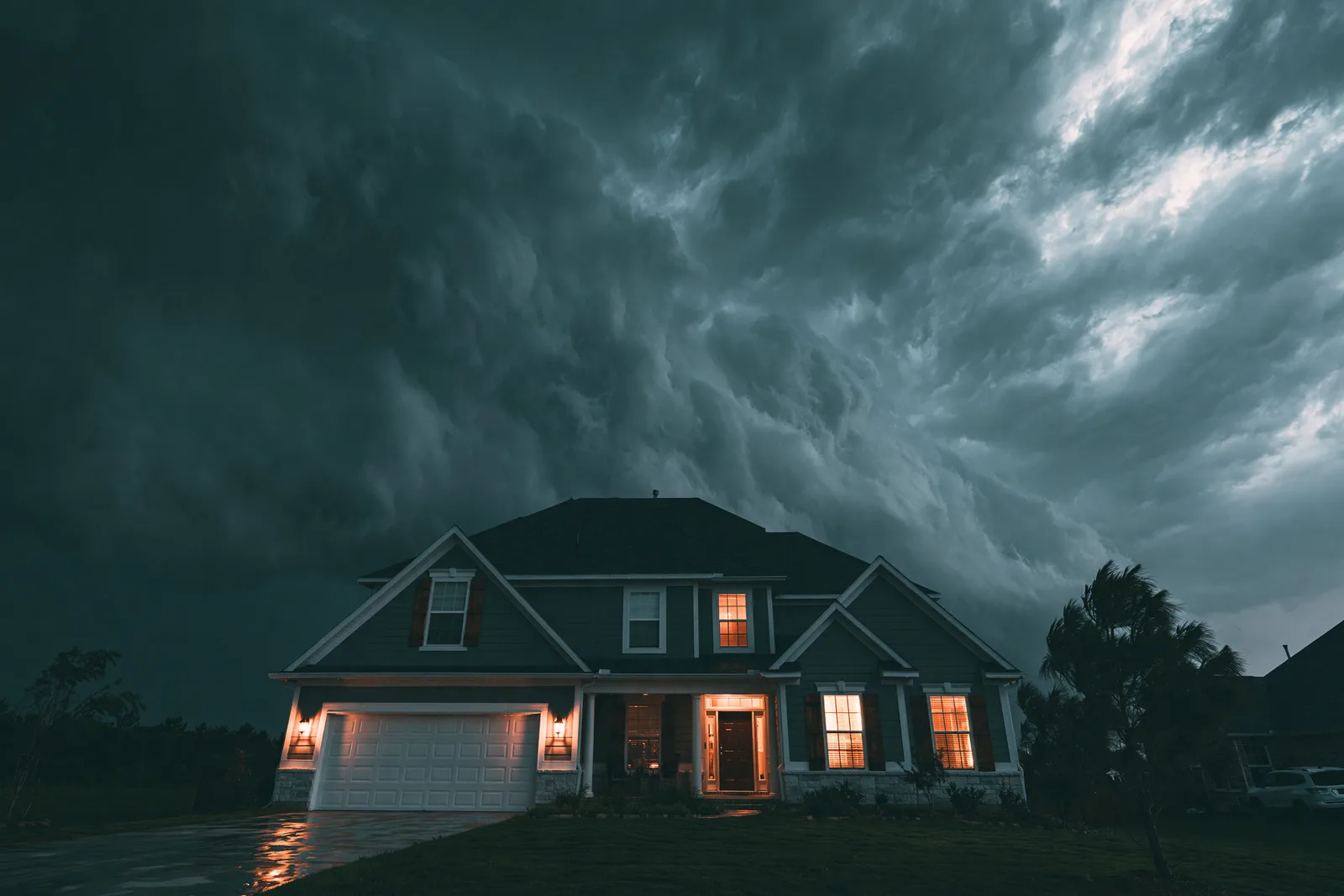
Storm damage roof repair in Lawton, OK
If wind, hail or debris has changed your roof, the first question is what is exposed now. Tell us about missing roofing, active water or the damage you can see safely from the ground. We’ll help you work toward the right repair.
After the weather passes, protect the opening
A roof with torn-away covering has a different immediate need from one with possible hail marks and no active leak. An exposed opening can leave the wood and the rooms below vulnerable to the next rain. The amount of missing material does not, by itself, show how far the supporting damage extends.
Stay out of areas with a sagging ceiling, water near electrical fixtures or unstable debris. A fallen limb can involve the structure and the roof at the same time. Those hazards may require the appropriate emergency or utility help before roofing work can begin safely.
You can describe what changed without going onto the roof. Once conditions allow a safe assessment, the work can separate temporary weather protection from the repair that restores the roof’s connections.
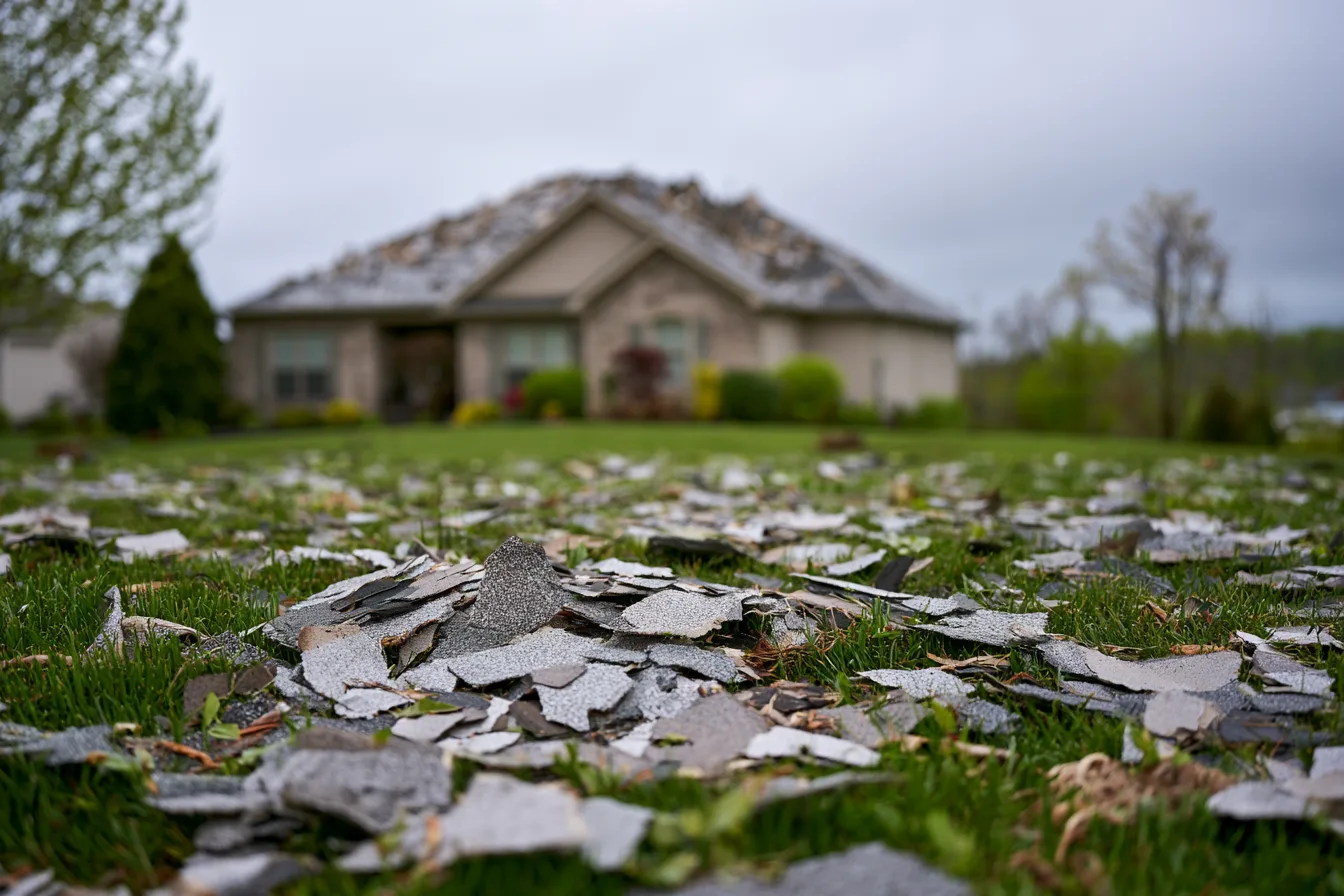
Wind, hail and debris need different roof repairs
| What happened | What the roof assessment considers | How the work can change |
|---|---|---|
| Wind disturbed the covering | Missing or creased shingles, lifted edges, attachment and surrounding material. | Repair needs a secure connection to workable roofing, not just replacement of the piece found in the yard. |
| Hail struck the roof | Impact effects on the covering and accessories, alongside existing deterioration. | Extent and functional damage guide repair versus replacement; hail size alone cannot settle the scope. |
| A limb or other debris hit | Punctures, broken decking, loaded branches and any affected structural support. | Safe removal and supporting repairs may have to come before the roof covering. |
For the impact-specific decision, see hail damage roof repair. A dent or mark still needs to be interpreted in the context of its material.
Storm roof repairs in Lawton
The goal is to stop exposing the building while reaching a lasting repair. The steps depend on the condition found, not on a storm label alone.
Address the immediate exposure
Active water, open decking and unstable material affect the first response. Temporary protection may be suitable where the surface, attachment points and weather allow safe work. It is not a substitute for repairing the underlying damage.
Connect the visible damage with the roof condition
The assessment follows the affected slopes, penetrations and nearby details. Beneath torn shingles there may be damaged underlayment or wood. On a low-slope roof, an impact can involve both the membrane and insulation.
Define the permanent work
A repair needs compatible material and enough sound surrounding roofing to join into. If failures are widespread or the remaining covering cannot be handled reliably, replacement becomes a different, larger decision.
Rebuild the affected connections
The permanent work addresses the covering and any supporting layers or flashings in its scope. Temporary fasteners and coverings also need attention when they are removed so they do not leave a new path for water.
Keeping the repair and insurance questions separate
The roof needs an assessment of physical damage. Your insurer separately applies your policy to the loss. A repair can be necessary without a covered insurance payment, and a claim does not decide which installation detail will stop the leak.
Timing, photographs that already exist and records of prior roof work can help distinguish the new concern from older deterioration. Preserve information you can obtain safely. The roofing conversation should stay focused on the work; the insurer answers policy coverage and payment questions.
Our roof insurance guide explains depreciation, deductibles and replacement-cost coverage in plain language.
Keep these questions distinct
What is damaged?
The roof assessment identifies the material and connections needing attention.
What work restores it?
A defined repair or replacement scope addresses the condition found.
What does the policy pay?
Coverage, exclusions and payment terms remain decisions under the insurance policy.
Lawton storm damage FAQs
Does a nearby storm report prove my roof was damaged?
No. A report documents weather at a stated location and time. Damage at a property still depends on exposure, the roof system and its condition.
The Lawton storm history page shows selected official reports with their dates and reported locations.
Should I wait for a leak before having the roof checked?
A leak is not the only reason for an inspection. Missing or disturbed roofing and a concern after hail can justify a closer look. Some defects do not produce interior water immediately; an inspection can also find that an apparent mark is not a roof failure.
Does storm damage mean I need a whole new roof?
Not automatically. A limited damaged area may be repairable where the rest of the material is workable. Extent, attachment, condition below the covering and the ability to make sound connections determine whether a larger scope is appropriate.
What if water is coming in now?
Call and say that water is entering. Keep away from electrical hazards and sagging ceilings, and do not climb onto a wet or damaged roof.
Our emergency roof repair page explains temporary protection and the move to a permanent repair.
Tell us what changed after the storm
Let us know whether water is entering now, what you noticed and where the property is. We’ll help you start with the roof’s immediate condition.
- Free roof inspections
- Help with repair and replacement
- Questions about your roof welcome