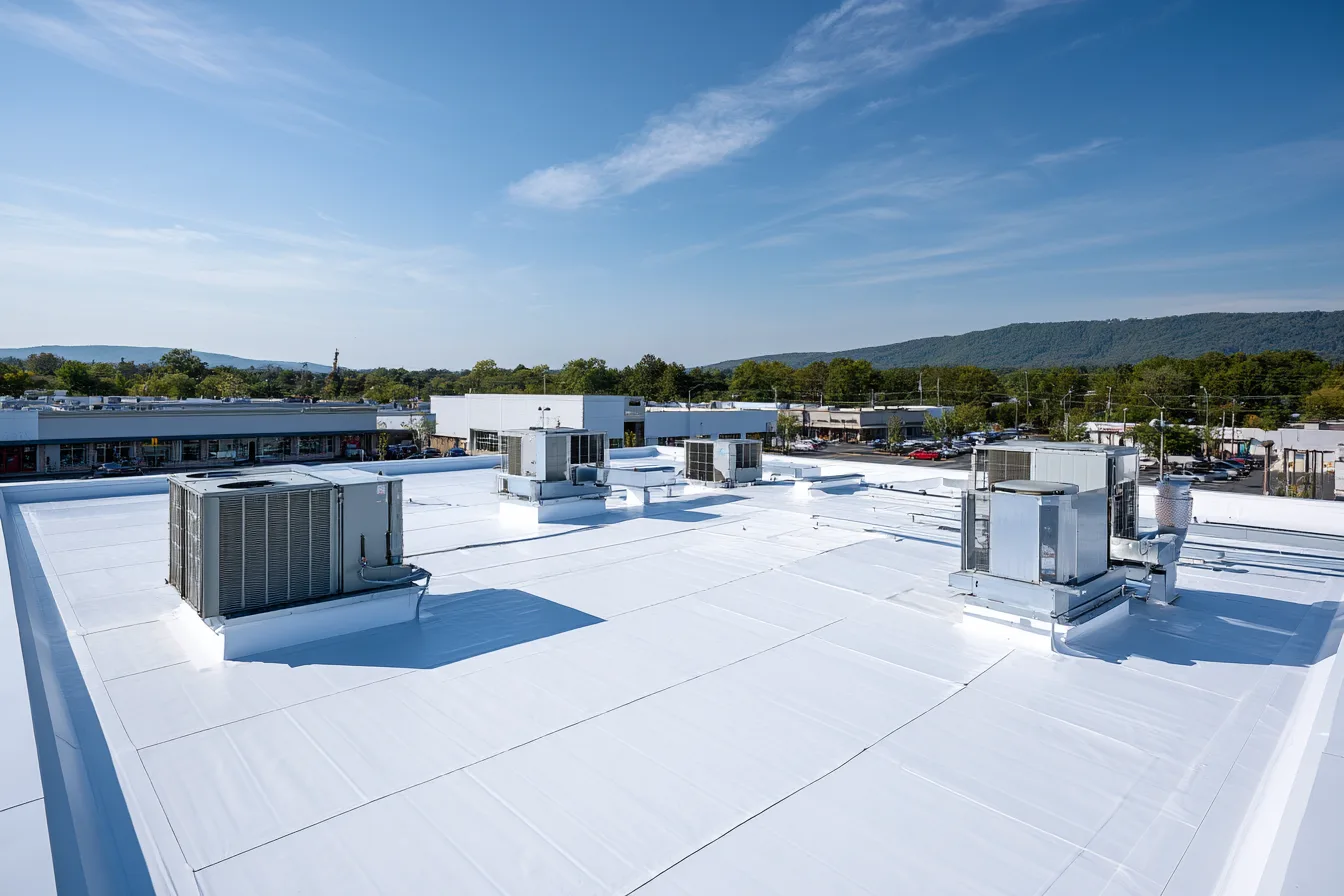
TPO roofing
Look at membrane condition, welded seams, penetrations and the assembly below the white roof surface.
Explore TPO roofing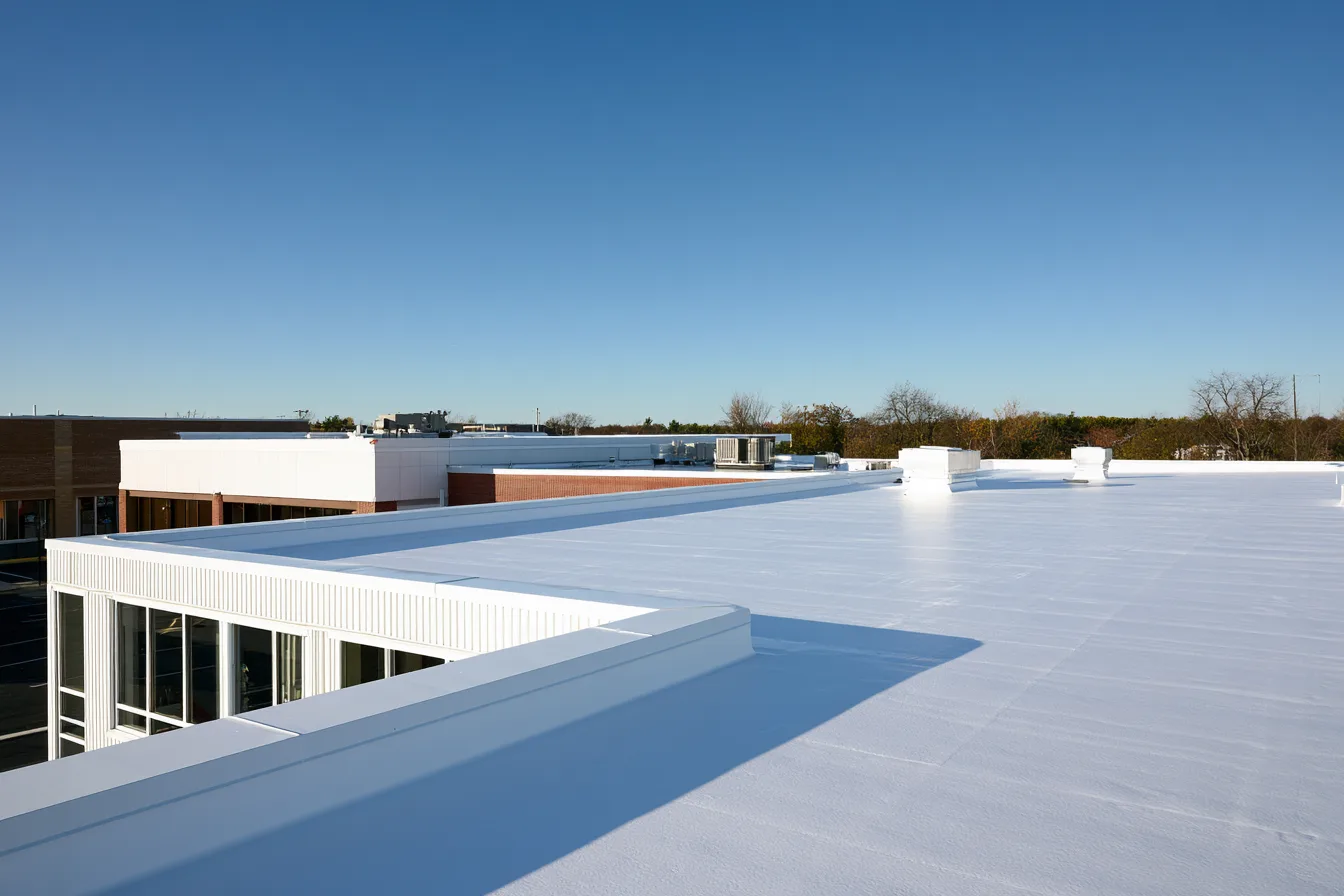
Keep a roof problem from deciding how you use the building. Explore commercial roof repair, TPO and restoration options in Lawton with a free roof walk.
A leak over storage, an occupied office or a tenant space has consequences beyond the roof surface. The right scope needs to account for the existing assembly and the part of the business it protects. A small visible opening can be a local repair, while wet insulation or widespread seam trouble can make the project larger.
Start with the building’s use, the roof type and the current concern. Repair may preserve a useful system. Restoration may be possible on a sound, dry assembly. Replacement becomes a different conversation when deteriorated material needs to come out.
You do not have to choose a system before making contact. Tell us about the property and the affected space, or request a commercial roof inspection to begin the discussion.
Compare membrane repairs, drainage work and coating options for the roof already on your building.
Look at membrane condition, welded seams, penetrations and the assembly below the white roof surface.
Explore TPO roofing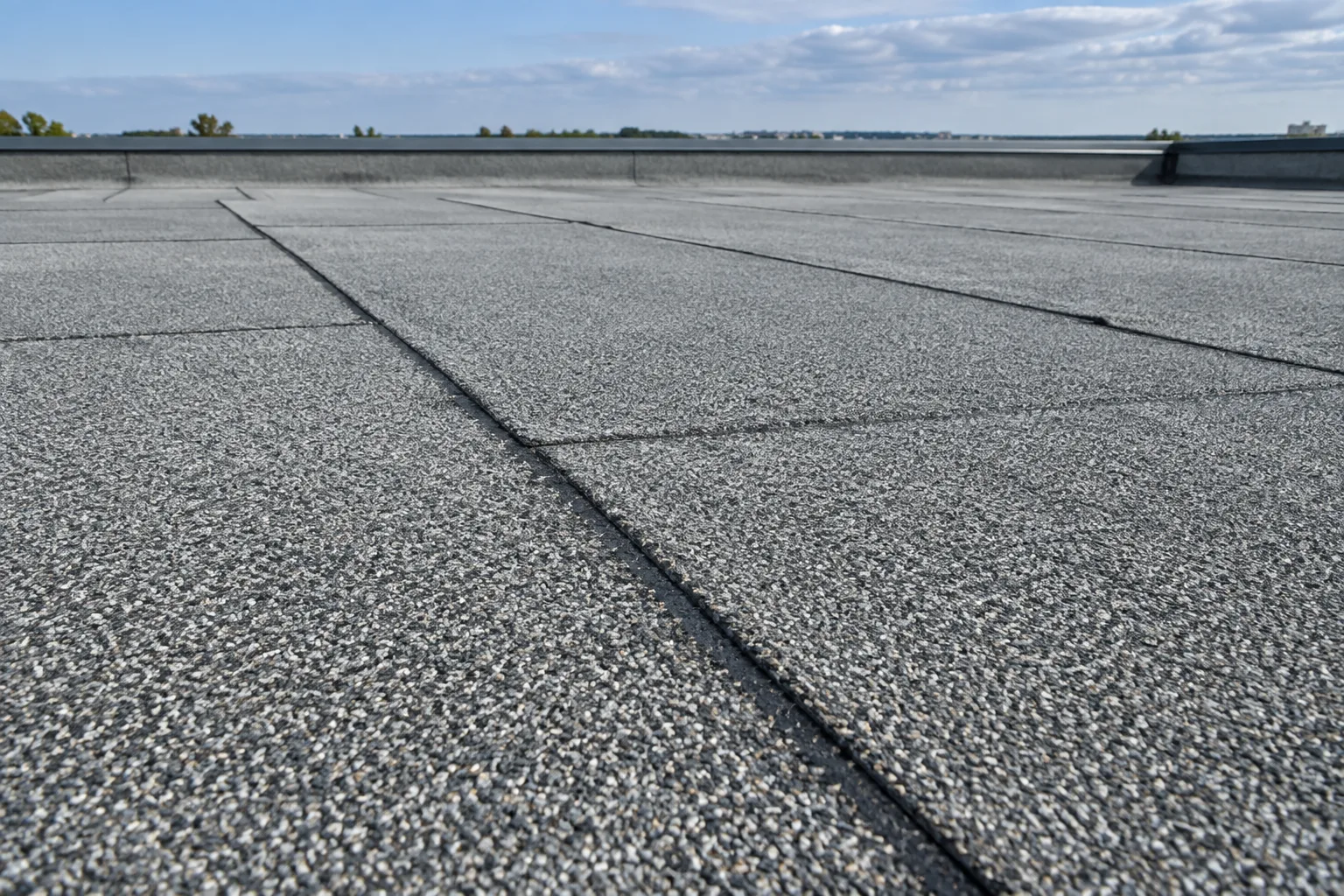
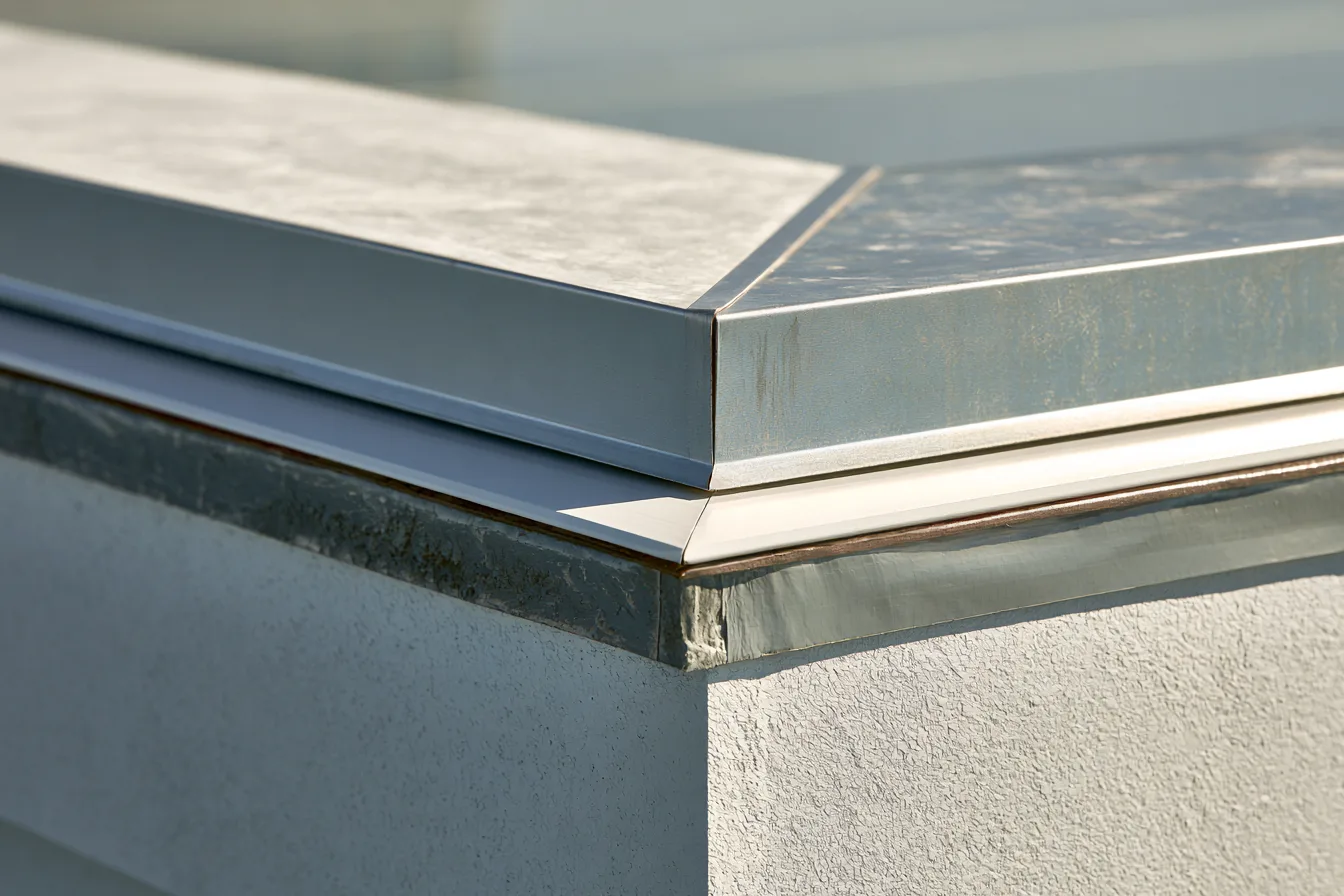
Trace leaks through seams, flashings and drainage details. Wet insulation can make the repair larger than the visible opening.
Explore flat roof repair
Consider restoration when the existing assembly is sound, dry and compatible. A coating cannot make wet roofing sound.
Explore roof coatingsA coating and a new roof solve different problems. The existing layers determine which options are worth considering.
| Approach | A useful starting condition | What must be resolved |
|---|---|---|
| Repair | A localized failed seam, puncture or flashing with serviceable surrounding roofing. | The source of entry, nearby membrane condition and any wet material below. |
| Restore with a coating | A sound, dry, compatible roof assembly that can be prepared for the selected system. | Wet areas, seams and details must be repaired; product compatibility and adhesion need confirmation. |
| Replace | Widespread deterioration, extensive wet layers or an assembly that cannot support suitable restoration. | Removal scope, supporting deck condition, drainage and the new assembly’s connections. |
GAF’s aged-TPO restoration guidance illustrates why roof qualification and repairs come before coating.
Low-slope roofs still need a route for water to leave. A blocked drain, restricted scupper or low area can keep water against a seam or flashing for longer. Repairing the visible membrane opening without understanding drainage can leave the same detail under avoidable stress.
Equipment adds more connections. Curbs, pipe penetrations and service traffic can affect the roof around heating and cooling units. A leak nearby does not automatically come from the unit or from the membrane; the connection needs to be assessed.
Roof work should also leave a practical path for future maintenance. Coordinate equipment service, protect completed roofing during other work and address drainage concerns as part of the scope.
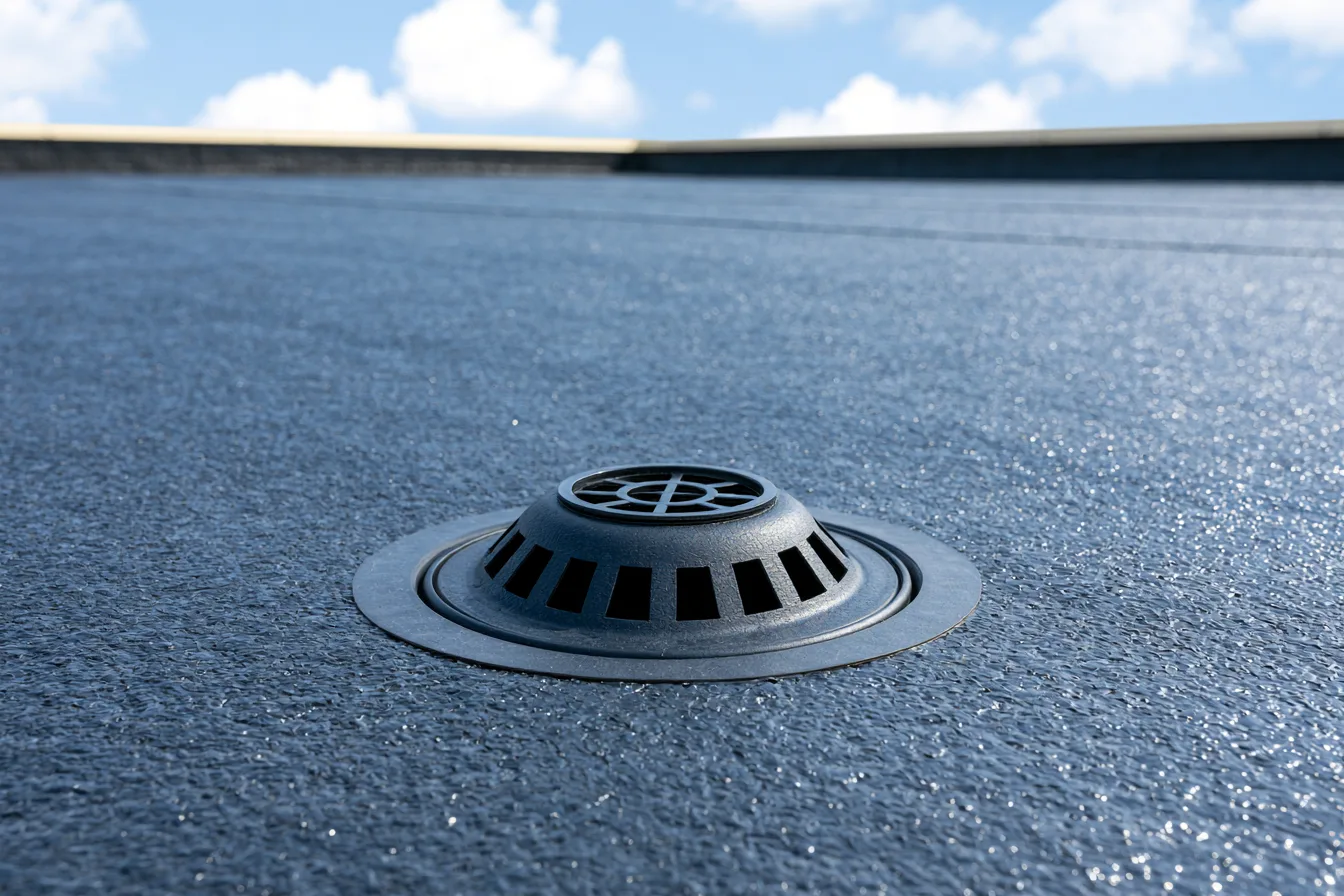
The repair choice and the operating plan belong in the same conversation.
Share the affected space, known roof system and whether the leak is active. Identify who can authorize work and arrange roof access.
Look at seams, flashing, penetrations and water outlets. Existing roof records can help explain layers and previous work; hidden wet material may require further investigation.
Discuss whether repair, compatible restoration or replacement addresses the condition. A surface coating should not be used to avoid dealing with wet or unstable layers.
Plan material staging, access and protection around the building’s use. Rooftop equipment and other trades may affect the sequence. Confirm project-specific arrangements before work begins.
No. The assembly must suit the selected coating system and be sound enough to retain. Wet insulation, loose material and failed details need attention first. Compatibility, preparation and drainage all matter.
A localized seam or flashing defect may be repairable when the surrounding membrane is suitable. Weathering, contamination and moisture below the membrane affect the repair method and scope. Widespread failure needs a broader assessment.
That depends on the project and how the building is used. Access, affected rooms, material handling and equipment needs should be discussed while planning.
The address, the areas affected by water, access restrictions and the person coordinating the property are useful. Existing roof documents can help if readily available. You do not need to climb onto the roof or identify the system yourself.
Tell us about the building, the leak or the longer-term roof project. Request a free commercial roof walk to explore the next step.